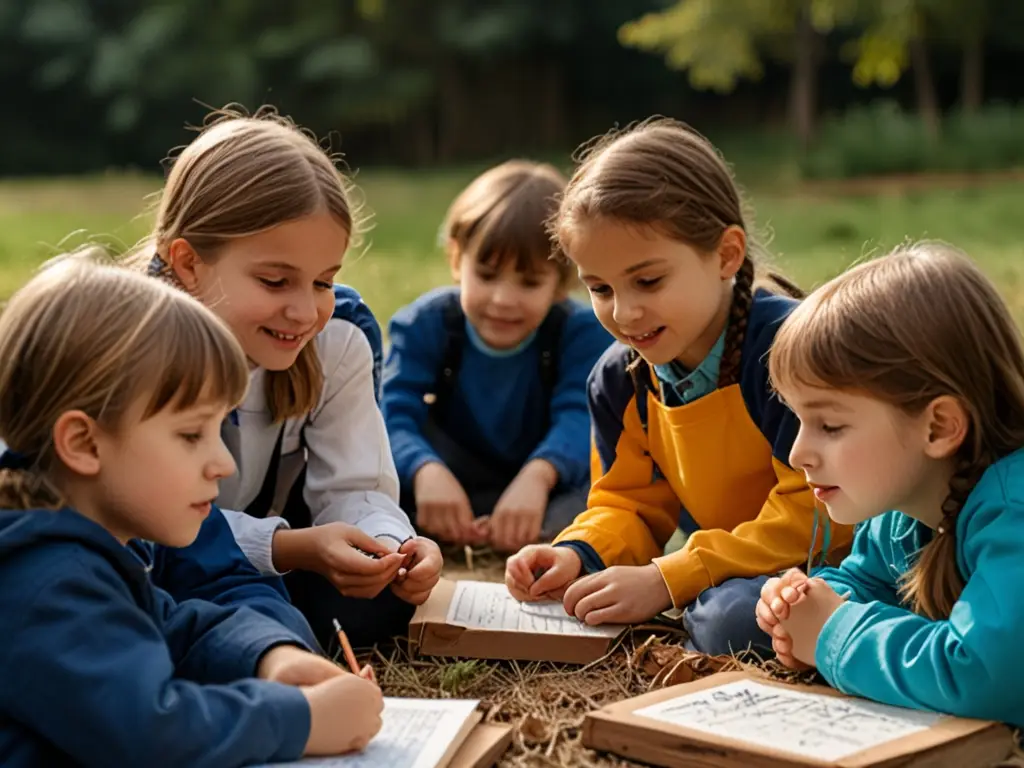
In today’s rapidly changing world, education must evolve beyond traditional academics to nurture well-rounded individuals. A holistic curriculum integrates academic learning with social, emotional, physical, and ethical development, creating a foundation for lifelong success.
The Key Components of a Holistic Curriculum
- Personalized Learning: Each child is unique, and a holistic approach tailors education to their interests and strengths. Activities like self-paced projects and experiential learning foster creativity and problem-solving skills.
- Social and Emotional Growth: By emphasizing collaboration and empathy, holistic education prepares children to navigate complex social dynamics and build meaningful relationships.
- Real-World Skills: Holistic curricula connect classroom lessons with real-life challenges, empowering students with critical thinking and adaptability.
Benefits for Young Learners
- Academic Excellence: Studies show that children excel academically when their emotional and physical well-being is prioritized.
- Life Skills: A well-rounded education instills confidence, leadership, and ethical awareness, preparing students for future challenges.
Holistic education doesn’t just prepare students for exams; it prepares them for life, nurturing compassionate, curious, and capable individuals ready to contribute to society.