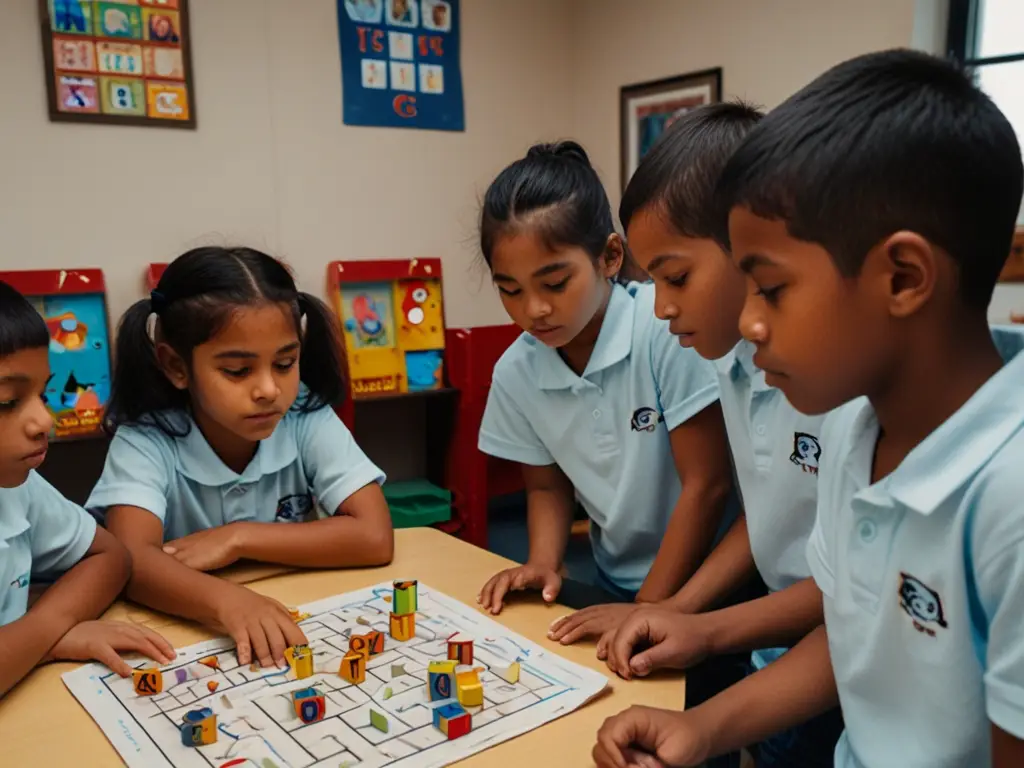
Keeping young learners engaged requires creativity and innovation. By incorporating hands-on and interactive activities, educators can transform learning into an exciting and meaningful experience.
Strategies for Engagement
- Storytelling: Bring lessons to life by weaving them into compelling narratives. For example, teaching historical events through character-driven stories helps students retain information better.
- Art and Craft: Creative projects like model-building or painting stimulate imagination and reinforce key concepts, from geometry to environmental science.
- Gamification: Turning lessons into games, such as quizzes or treasure hunts, boosts motivation and makes learning fun.
Why Creative Activities Work
- They Foster Curiosity: Hands-on activities encourage students to ask questions and explore new ideas.
- Boost Cognitive Skills: Creative problem-solving develops critical thinking and adaptability.
- Create Memorable Learning: Active participation leaves a lasting impression, making concepts easier to recall.
By combining creativity with structured learning, educators can inspire a love for learning and prepare young minds for a world of possibilities.